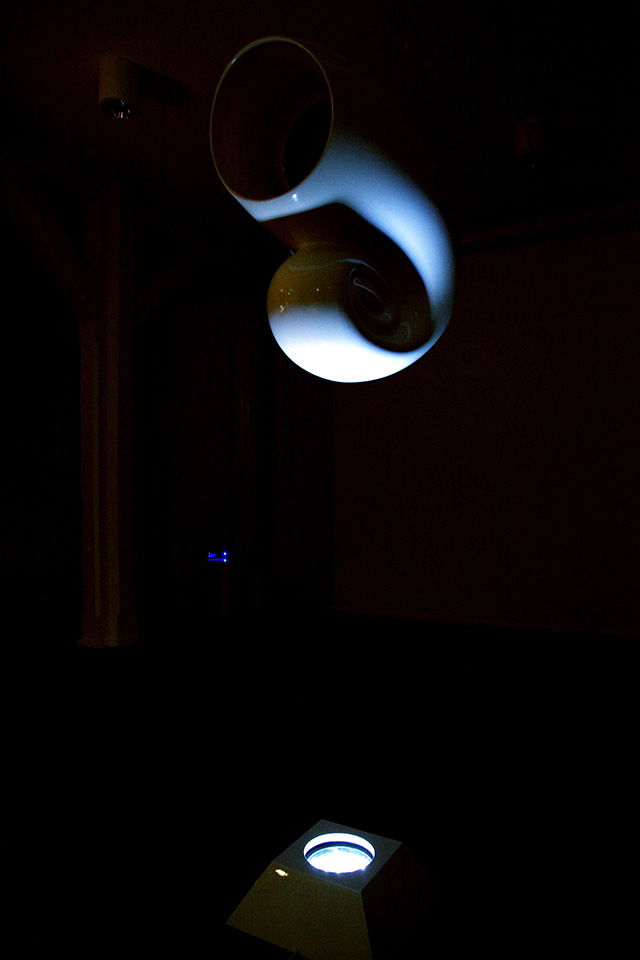
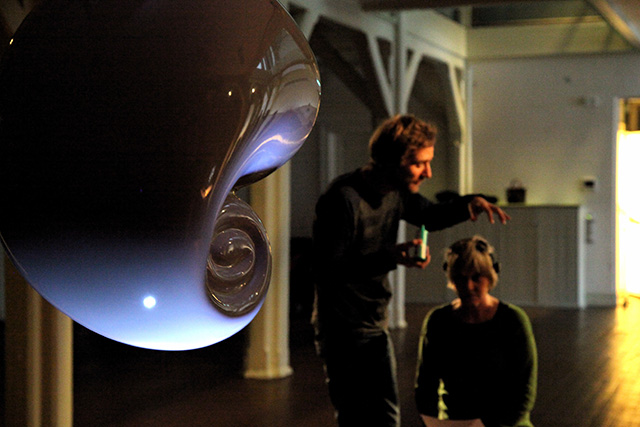
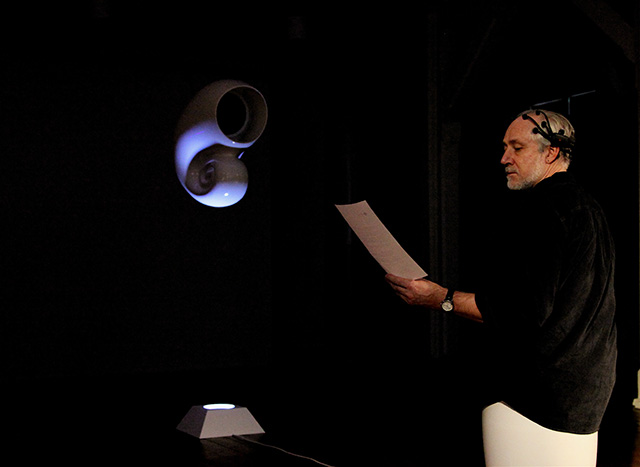
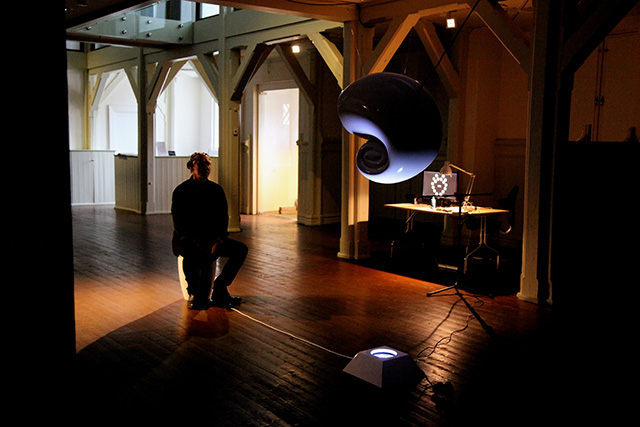
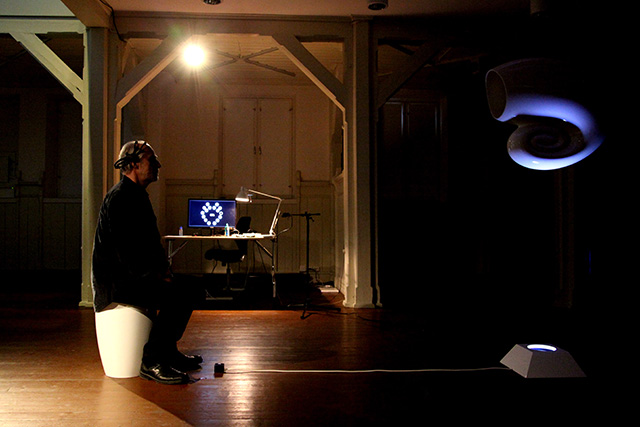
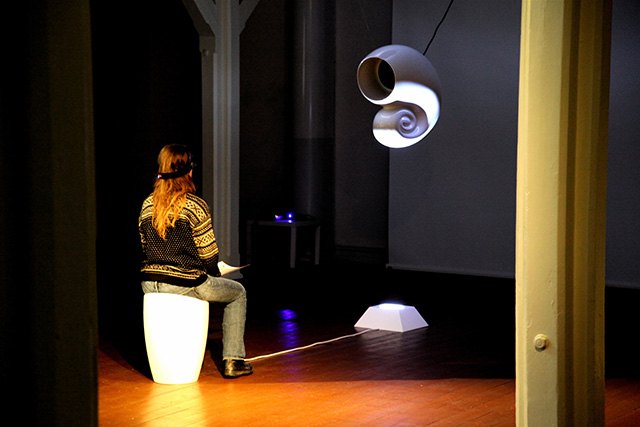
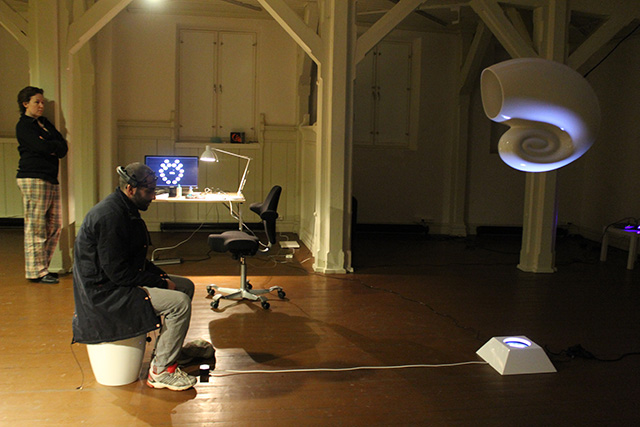
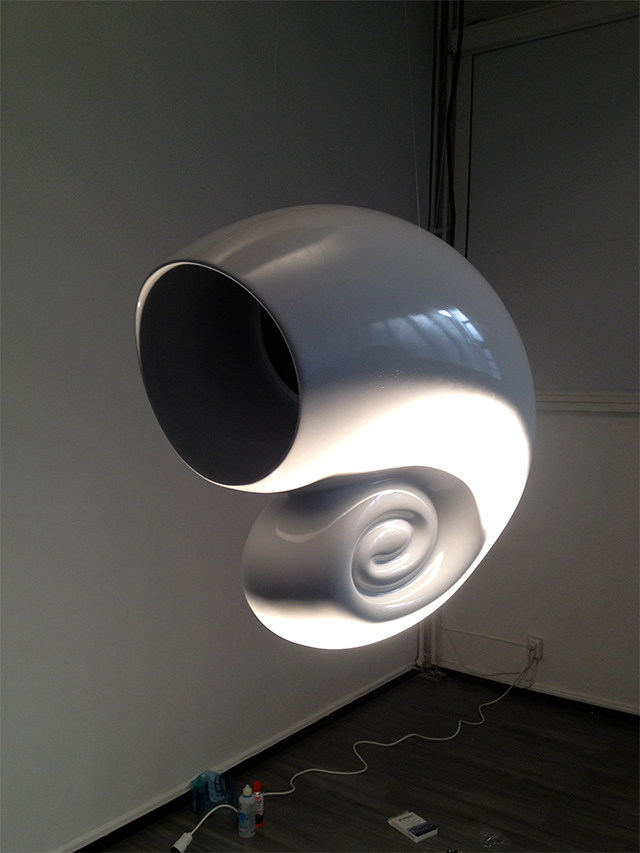
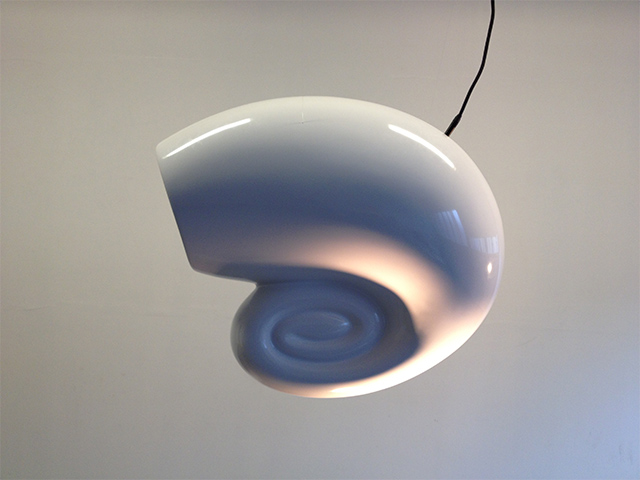
The subConch is an interactive installation that adresses both phenomenological and textual aspects of deep integration with technology. It involves using EEG sensors to allow cognitive control over sound and light to produce a unique aesthetic experience.
Visit the project site.
Artist Statement
Occasionally we long for a connection with nature believed to be severed by the introduction of modern technology. We romanticise a past where humans lived more in accordance with the needs of the earth. We yearn for a more tactile and genuine interaction with our surroundings. We want authenticity. For the lack of this we blame modernity and are often unwilling to see that we are less of an alienated captive than we would like to believe. Our interaction with technology is nothing new. It has shaped our language and our culture – how we think of ourselves, others and our surroundings – and has been deeply embedded in our societies from the very beginning. Concepts such as authenticity also hold ideological baggage– baggage that can and should be deconstructed. For instance, can we really claim that drawing a line with a pencil (a tool) is a more “genuine” experience than writing twenty lines of computer code to produce a line instead?
No. They’re just different.
And what about the experiencing of the line? The thousands of luminescent pixels on a black screen indeed have a different aesthetic than the millions of graphite particles embedded in the fabric of the sheet of paper, but we cannot claim that one is objectively preferable to the other. They are both equally present and equally real. Yet they are not interchangeable. They each hold a unique aesthetic quality that gives way to a unique aesthetic experience.
I think the bond to nature was severed long before the age of modernity, and perhaps there never was a bond. Look around you and you will see the natural state of man. This is how we live in our habitat. Perhaps we must face the fact that there was no wrong turn, loss of innocence or original sin. And if there was, we were corrupted with the introduction of language – which in turn imposed a subject/object relation on us and the world around us, giving birth to instrumental rationality and science.
This science and its offspring permeate our modern society. Our experiences are saturated with mediating technologies. We are in essence cyborgs. Our cell phones, our keyboards are extensions of our own bodies, with the borders blurred. Still, there’s a way to go before we are completely integrated. This might be due to poor design rather than lack of technological progress. For instance, the gap between thought and action is smaller when using a keyboard shortcut than when using a mouse – even though the mouse is a more sophisticated device.
But what if the input device was to be removed altogether – or at least rendered “invisible”? What if we could just think of something and the device would make it happen. Or that the technology knew how we felt about something and then acted accordingly. Would that make us feel alienated or empowered?
The answer is obvious. Our culture is drunk on technopower, fuelling the hubris of man; we’ve become almighty deities since we started burning the black gold. Cyborg existence is, and has always been, the ultimate goal, the final separation from the animal kingdom, the escape from our bodies, the escape from mortality. To be human is to be machine. To be machine is to be God.
Show photo documentation




Press
Mind-controlled technology represents one of the fastest growing fields in technological development. Controlling things with our minds through the use of electroencephalograph nodes or, recently, wireless technology even, is no longer a materialized stimulating science fiction idea; it can be incredibly practical —especially for people with some sort of disability. Moving objects with our mind brings us close to a sort of supernatural power, which reminds us of
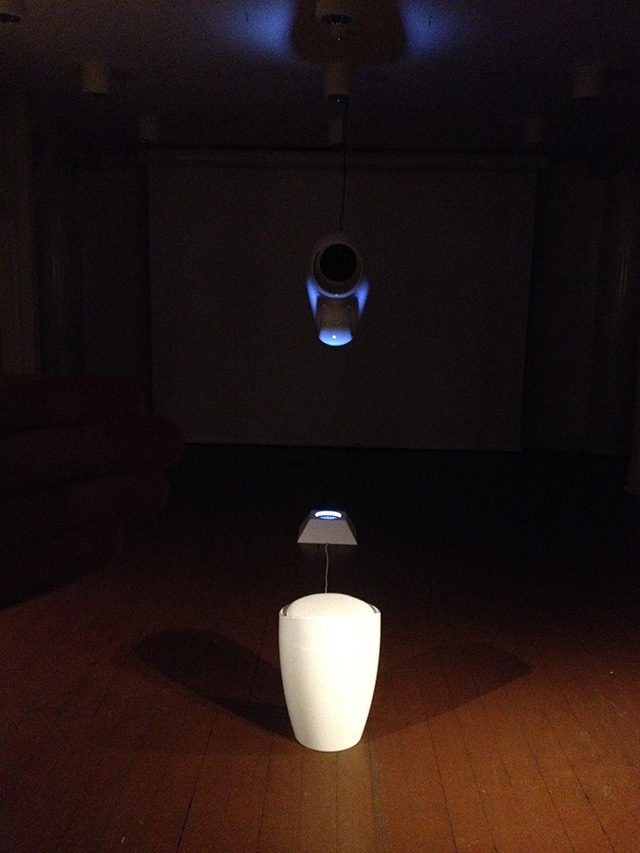
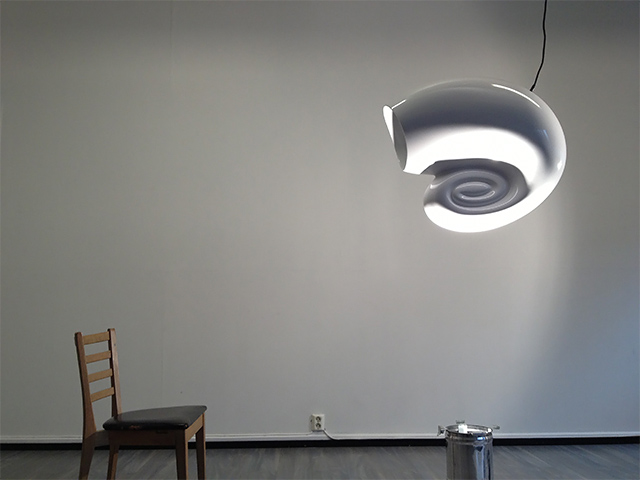
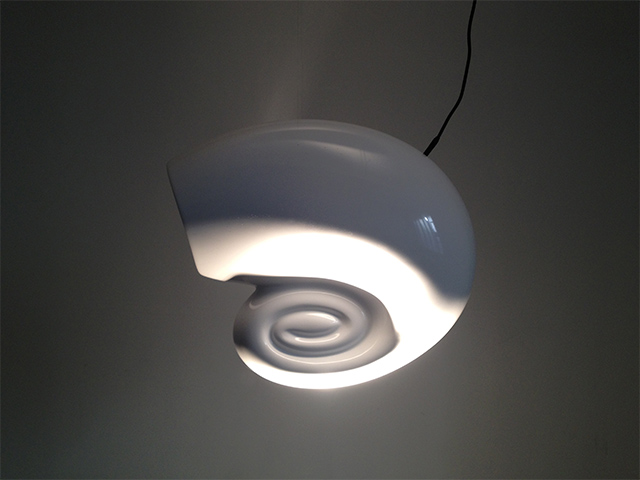
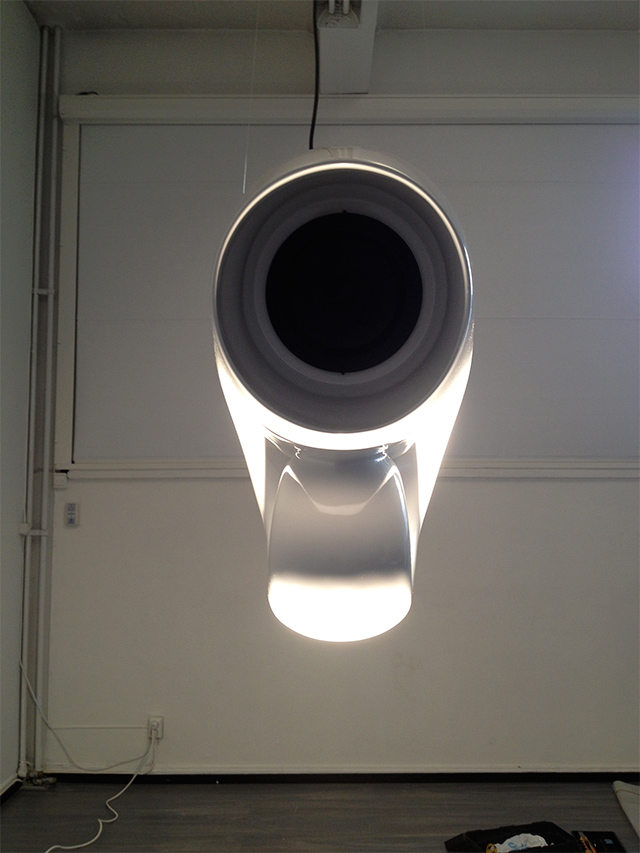
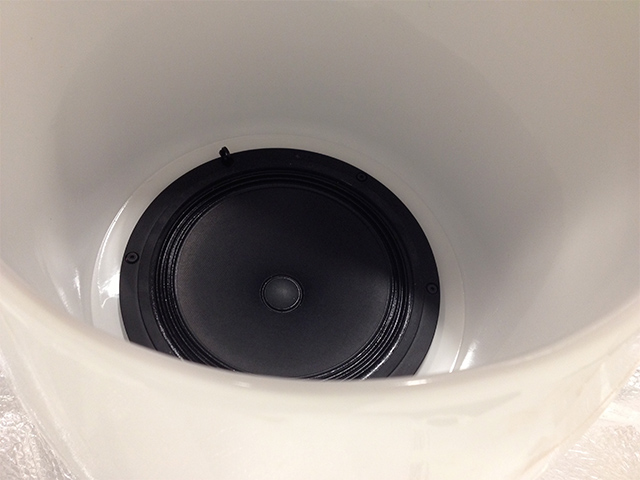
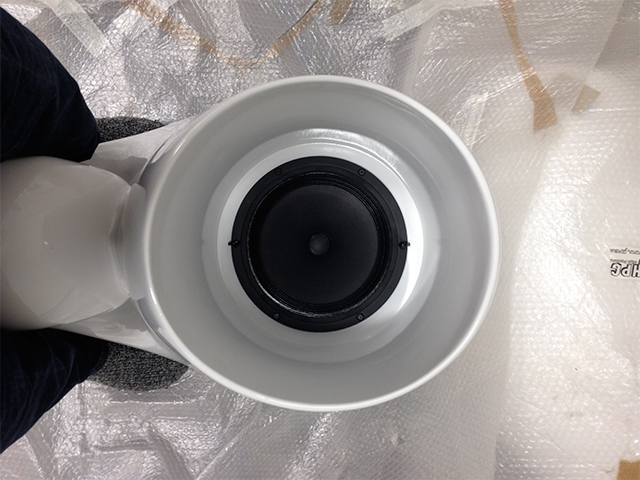
Arthur C. Clarke’s words: “a sufficiently advanced technology is indistinguishable from magic.” Playing with this quasi-magical aspect of technology, Mats J. Siversten has created subConch, a musical instrument that one plays with nothing but the mind. The instrument, which is even equipped with a sexy shape ––modeled after the conch’s feminine shape––, is connected to an electroencephalograph band that reads the user’s brain waves, which, in turn, control the audio’s characteristics. To control the sound, the musician has to train himself for a few minutes, going through something that resembles a guided meditation. This time is also used to create the user’s cerebral profile.
This neuro-instrument is also an art installation, and, as light pulses against a wall (showing that light and sound can sometimes be two manifestations of the same transmission), the generated sounds unfold.
While the music that can be produced by this instrument has yet to reach sophistication and richness of other devices, subConch is a brushstroke that opens a completely new dimension, further erasing the border between the artist and demigod.
– FAENA, 26.02.2014 (ref)
Featured in «EK – Elektronisk kunst i Norge» (the encyclopedia of Norwegian electronic art, TEKS.press 2021), SciArt in America and mentioned on Vice Creators, Digital Trends and Techly.